“Her memories will become monuments”: On Poland, Irena Klepfisz, and the Search for Home
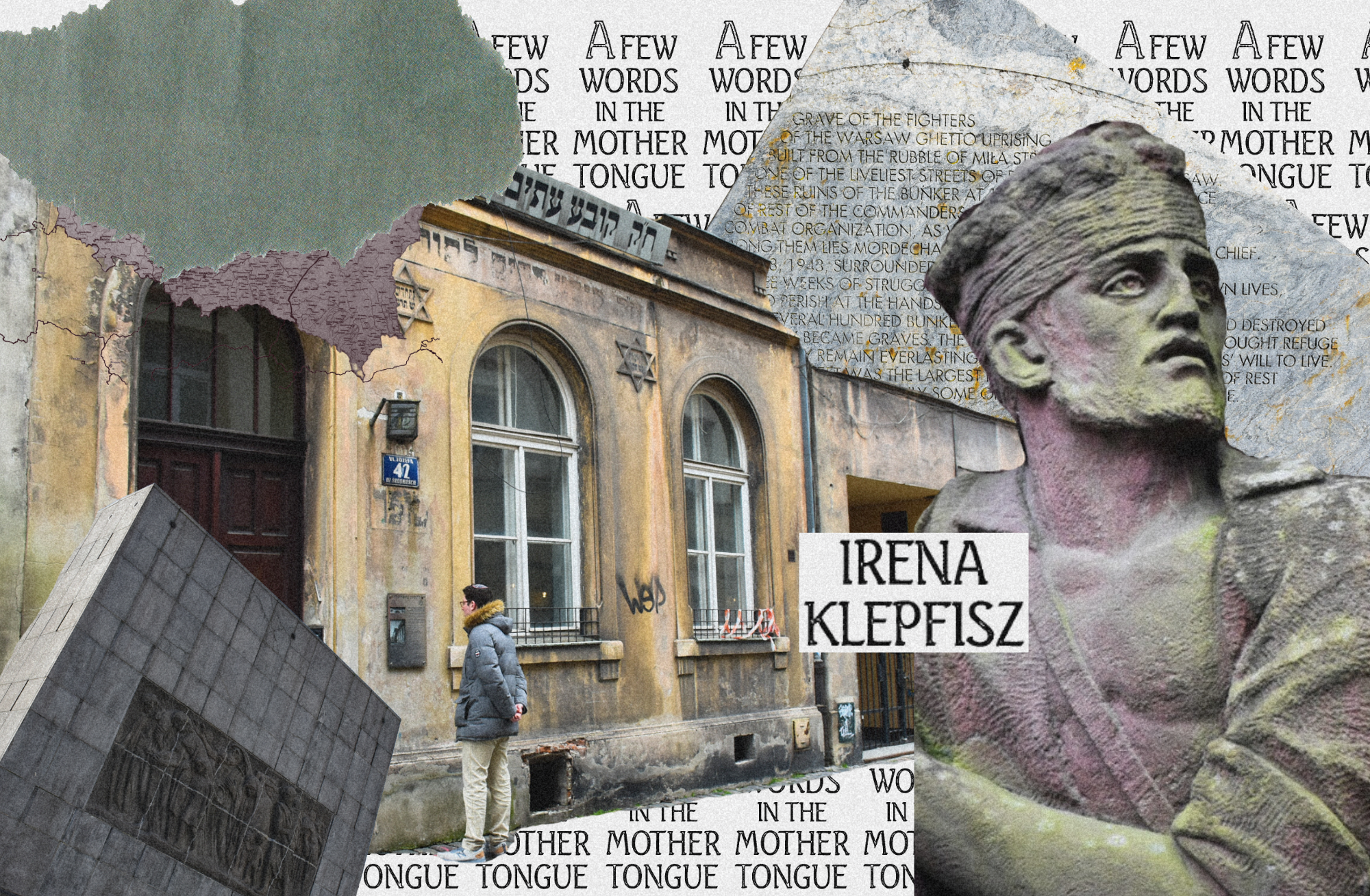
“It was on the plane to Warsaw that Irena Klepfisz’s writing began to feel less like poetry and more like prophecy.”

CONNECT WITH US
EDITOR'S PICKS
A Decade of New Voices Passovers
Whether you’re pulling together a makeshift campus seder, going home to your family, or struggling to figure out what to do for Pesach, there’s something here for you.
Defying Orthodoxies on Israel/Palestine: A YU Student’s Journey
“Quickly, I learned that it was not only possible – but necessary – to hold multiple truths and consider the traumas of multiple peoples.”
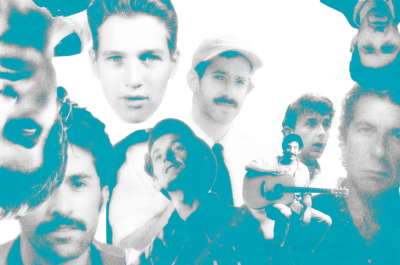
The New Jewish Daddy
From fashion to music to culture, an exploration of popular past and contemporary Jewish masculinities.
About New Voices
 Published since 1991 by the independent non-profit Jewish Student Press Service, New Voices is the only Jewish and justice-focused magazine by and for college students.
Browse by topic:
Queer Jewish JoyQueer Jews Hillel Israel-PalestineJews of Color Independent Jewish Communities Anti-Semitism Zionism Anti-Zionism Civil Disobedience Immigrant Justice Disability Justice Grief Podcasting Mizrahi Ritual Talmud Diaspora Jews by Choice Interfaith Gender Food Kashrut Yiddish Sex Student Organizing #MeToo AnxietyShoahHalacha
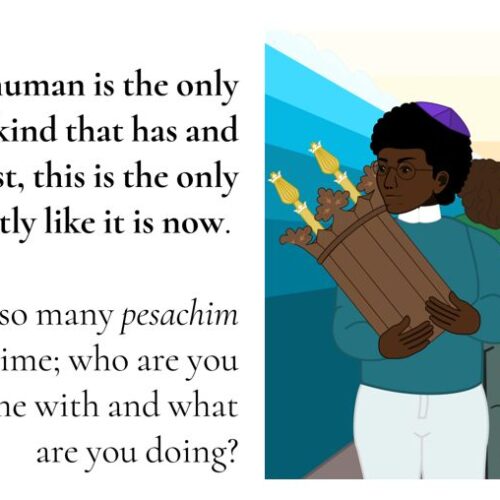
“Black Jews like myself can often have a double consciousness about how they may be seen in one space or another, and hold serious reservations about entering predominantly-White Jewish spaces.”
“I learned there is almost no chance that I or any of my peers would be able to create enough near-future change to prevent climate catastrophe. When I left my environmental education, I only had hopelessness.”
“Survival is shattering the mirror / trusting the tree to support you.”
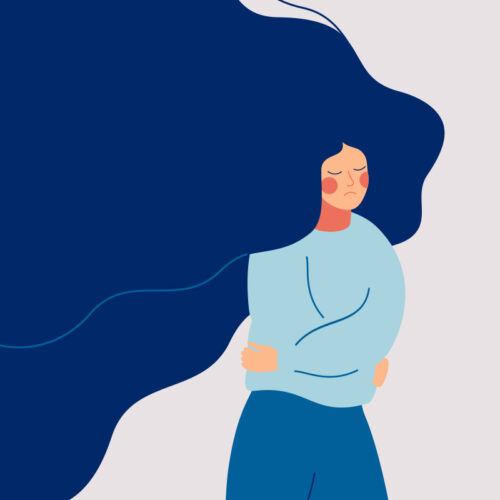
Is it possible to disentangle fasting from the connotations of weight loss and dieting, and maintain its religious value?
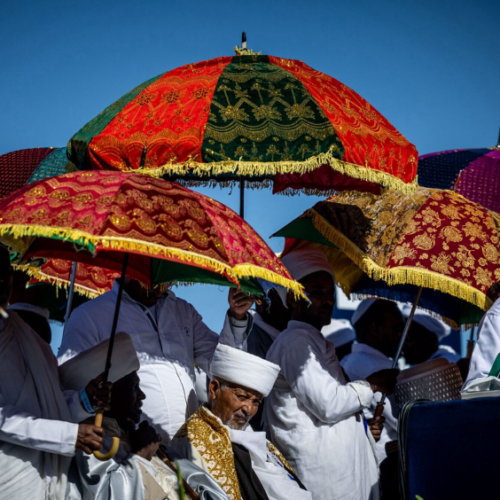
“More than one group has a pencil for the Book of Life.”
“I watched as the sheep lined up to buy their Famous Amos cookies and Herr’s sour cream and onion chips. While they forked up dollar after crumpled dollar, my grandfather’s wet lips whispered in my ear: sell.”
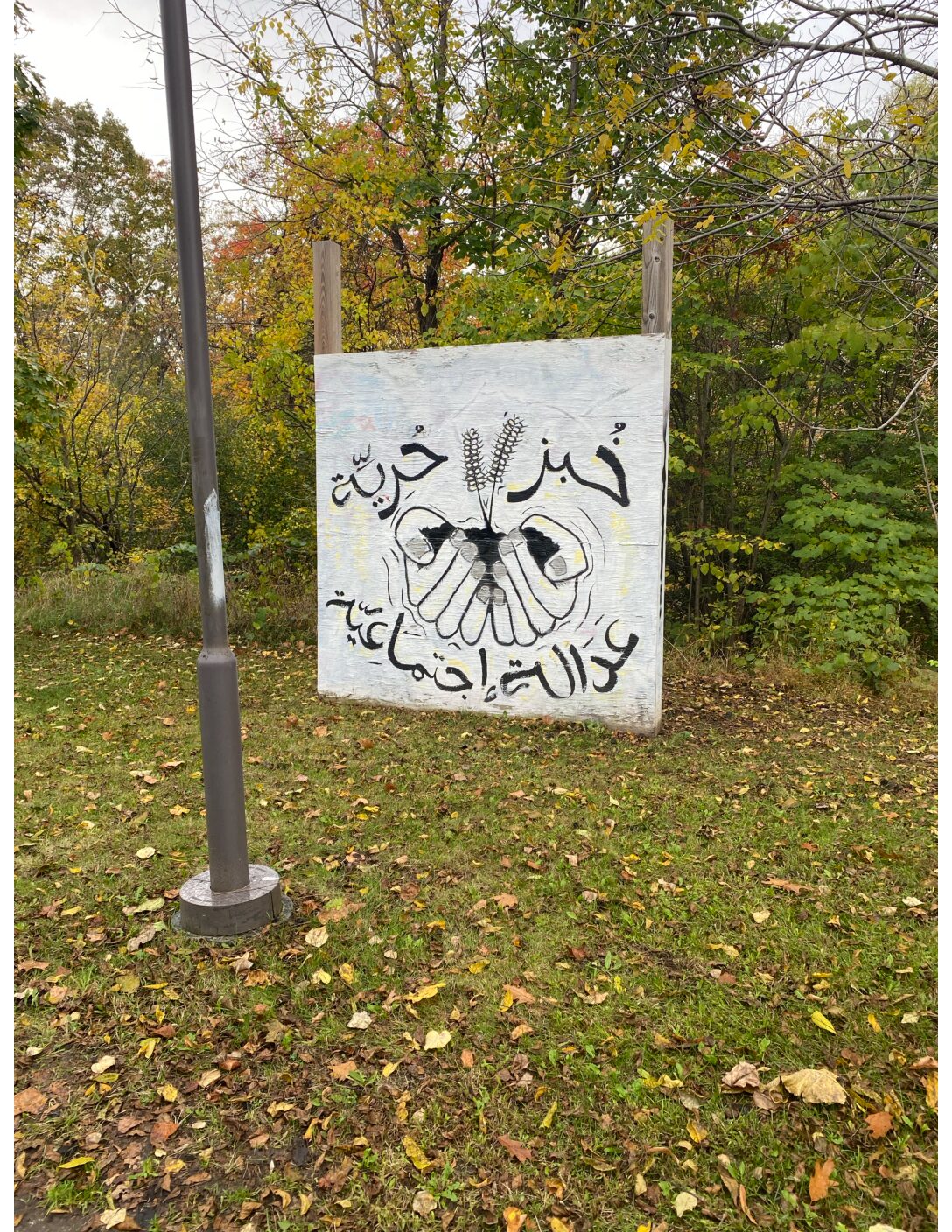
“As the war continues, students search for an outlet for their grief, and ways to do something that feels meaningful. But constraints like social anxiety, institutional pressure, and blacklisting have made activism difficult.”

“What if I’d pursued another degree, deserted a friendship, or pursued a great love? Dancing around my skull, my dreams pull these threads out from under my brain and smack onto the page.”